**Historical and Mythological Foundations of Shadow Work**
The concept of the 'shadow' has deep roots in human history and mythology, often symbolizing the hidden or darker aspects of the human psyche. Various cultures have explored the idea of the shadow through stories and myths. For instance, in ancient Greek mythology, the tale of the hero’s journey often involved confronting fears, symbolizing an externalization of inner battles. The Greeks believed these stories highlighted the shadow as a vital part of achieving self-understanding and personal growth.
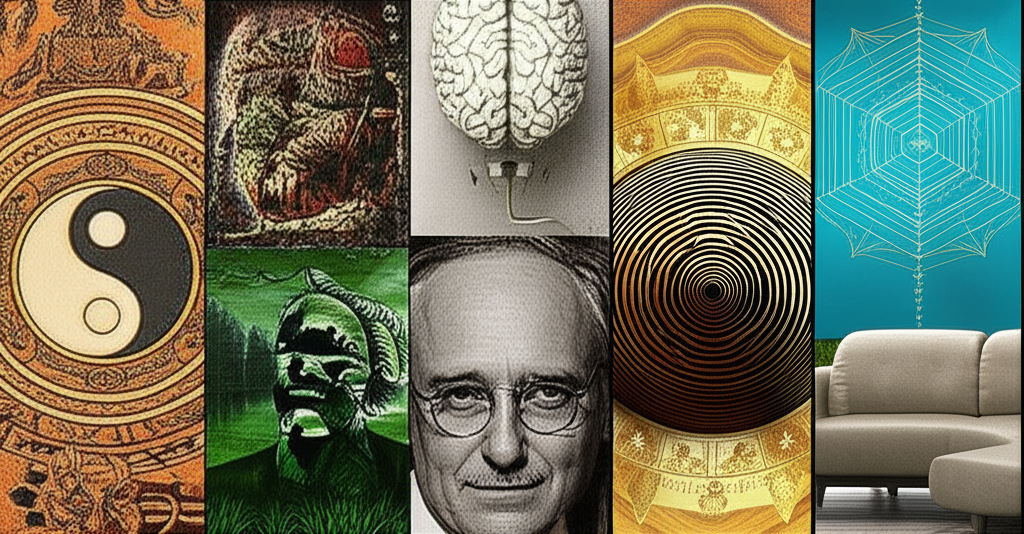
In Eastern philosophies, the Taoist principle of yin and yang reflects a similar duality within human nature. The shadow, or yin, represents the dark, receptive, and introspective aspects of the psyche, which must be balanced by the yang components - light, active, and rational elements. Such philosophical views emphasized the necessity of integrating opposing forces as a path to harmony within oneself.
In the medieval era, the concept of ‘Sin’ in Christianity could also be interpreted as a form of shadow work. Moral guidance aimed to address humanity's darker inclinations, urging people to seek atonement and redemption. Although shadow elements were regarded as needing suppression, they nonetheless underscored the importance of acknowledging internal conflicts.
**Carl Jung and the Formalization of Shadow Work**
The term 'shadow' gained prominence in modern psychology through the works of Carl Gustav Jung. A Swiss psychiatrist and psychoanalyst, Jung introduced the concept of the shadow as a core component of his analytical psychology framework in the early 20th century. According to Jung, the shadow consists of the repressed, suppressed, or unfaced aspects of our personality. He posited that these elements often reside in the unconscious mind, influencing behaviors, emotions, and interactions in ways that individuals are typically unaware of.
Jung argued that facing and integrating the shadow is crucial for personal development and individuation – a process of becoming one’s true self. He suggested that recognizing and confronting these hidden aspects leads to greater self-awareness, allowing individuals to live more authentically and purposefully. Jung’s ideas have transcended psychological boundaries, influencing various fields, including self-help, spirituality, and art.
**Modern Perspectives and Applications**
In contemporary times, shadow work has evolved beyond its Jungian roots, incorporating insights from various disciplines like psychotherapy, holistic health, and spiritual practices. Today, shadow work is employed as a tool to address emotional and psychological challenges such as anxiety, depression, and relationship issues. It is often integrated into practices like meditation and mindful self-awareness exercises that help individuals uncover and accept their shadow aspects.
Therapists and life coaches frequently guide clients through structured shadow work exercises aimed at identifying and processing unresolved emotions or patterns originating from the child or adult experiences. This practice encourages introspection, bringing unconscious beliefs and fears to light, therefore fostering personal healing and development.
Understanding the historical and cultural evolution of the concept of the shadow allows us to appreciate its depth and relevance today. As we delve into shadow work throughout this course, you will learn to effectively harness this knowledge for personal transformation, embracing all facets of your personality, irrespective of how hidden or fragmented they may seem.